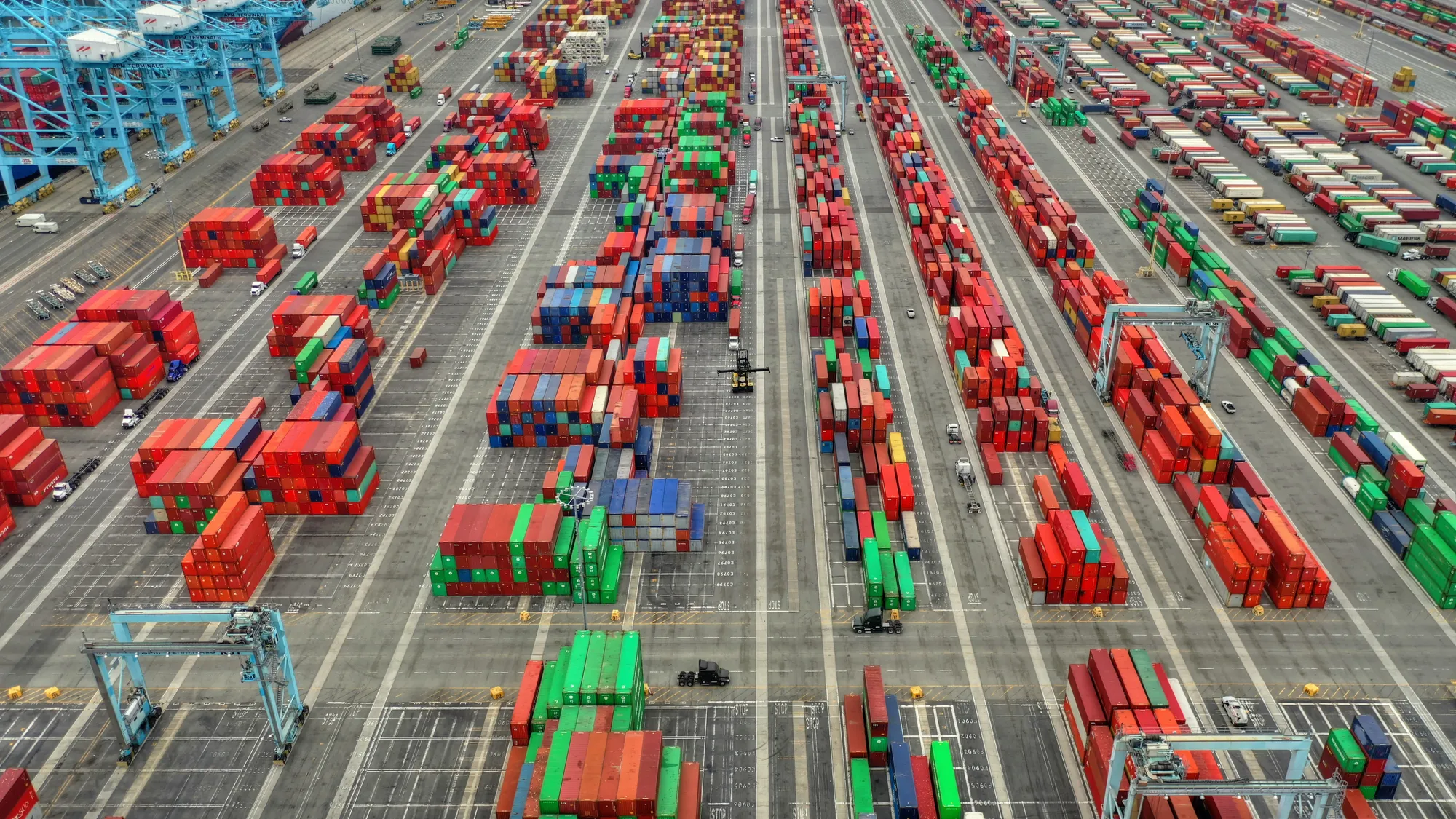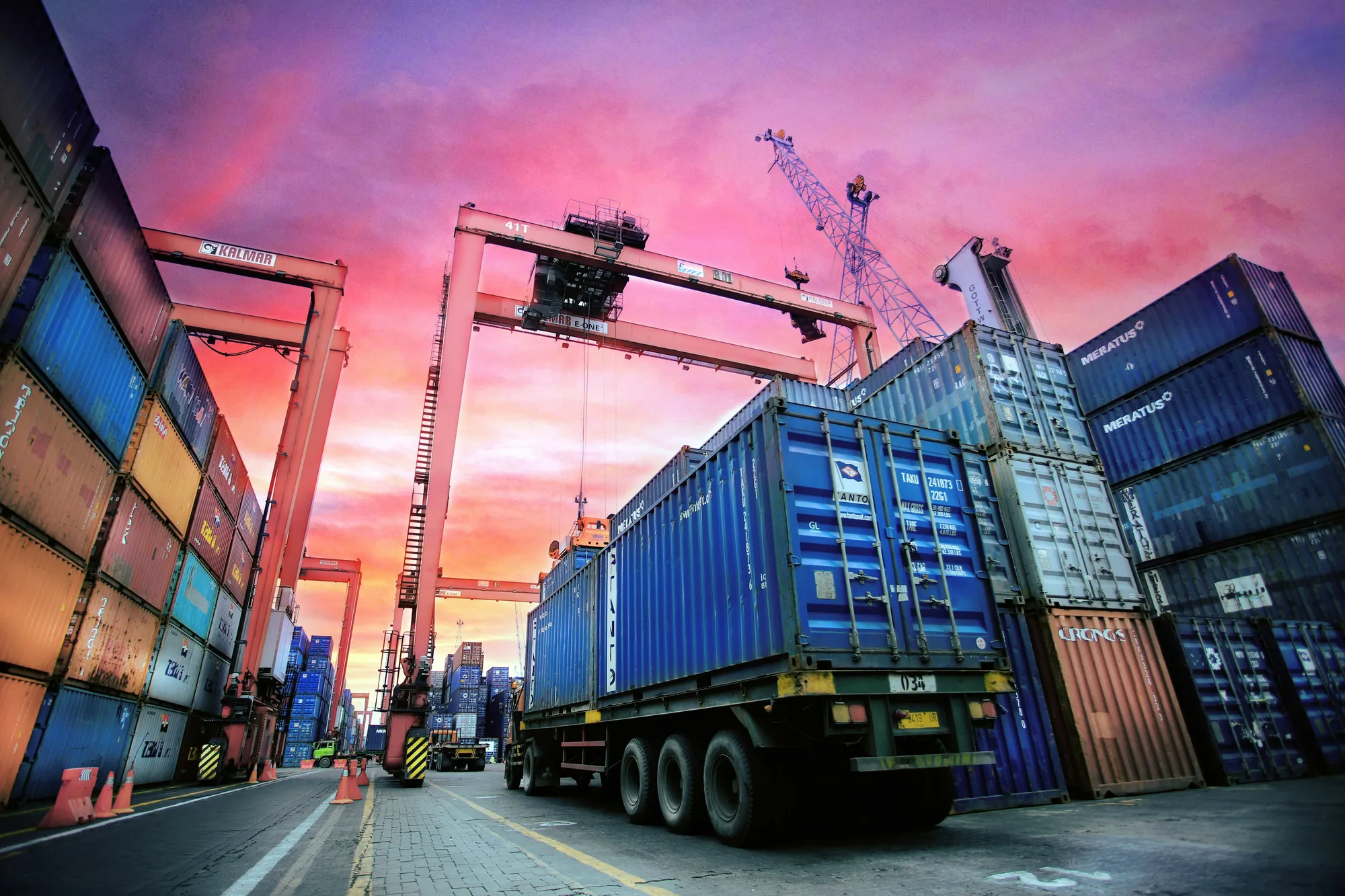

Container port at sunset with gantry cranes
This Week in Supply Chain / Weekly Briefing / Aug 23-29, 2026
Edition 02

10 Stories
That Matter.

Oil flows through Hormuz begin to recover, El Niño hits shipping, copper and food, wheat reaches a three-year high, Europe's new parcel fee changes Chinese e-commerce, and a cross-Andes agreement could unlock a major new copper supply chain. Here is what happened this week, and why it matters for how you run your supply chain.

Scroll

El Niño is disrupting industries that rarely appear on the same risk register. Attacks in the Black Sea are lifting wheat prices. A relatively small European customs charge is forcing Chinese e-commerce platforms to reconsider how they hold and move inventory.

At the same time, South American beef exports are being redirected, demand signals are diverging between the U.S. and Europe, critical medical products are being recalled, Amazon is targeting one of the hardest remaining warehouse automation problems, and the containership orderbook has crossed 40% of the existing fleet. Here are 10 developments we think supply chain leaders should be paying attention to this week, and why they matter.

01 Aerial view of an oil tanker at sea
Energy

Oil flows through Hormuz recover, but the buffer is gone

Persian Gulf exports of crude oil and refined products have recovered to an estimated 15-16 million barrels per day, according to Goldman Sachs analysis reported this week. That is a considerable improvement from the 5-6 million barrels moving through the region in March, but it remains 7-8 million barrels below pre-war levels.

The additional supply has helped keep oil prices below $90 per barrel, but Hormuz has not returned to normal. Strategic inventories are still being drawn down, some tankers remain difficult to track and Iraq is now offering buyers the option to collect crude outside the Gulf as it explores alternative export arrangements.

Why it mattersThe immediate disruption may be easing, but companies should not rebuild plans around the assumption that normal flows have returned. Energy supply chains are operating with little tolerance for another interruption, while Gulf producers are accelerating alternative pipelines and export routes. The more important question is no longer whether Hormuz reopens fully, but how much energy can bypass it when the next disruption occurs.
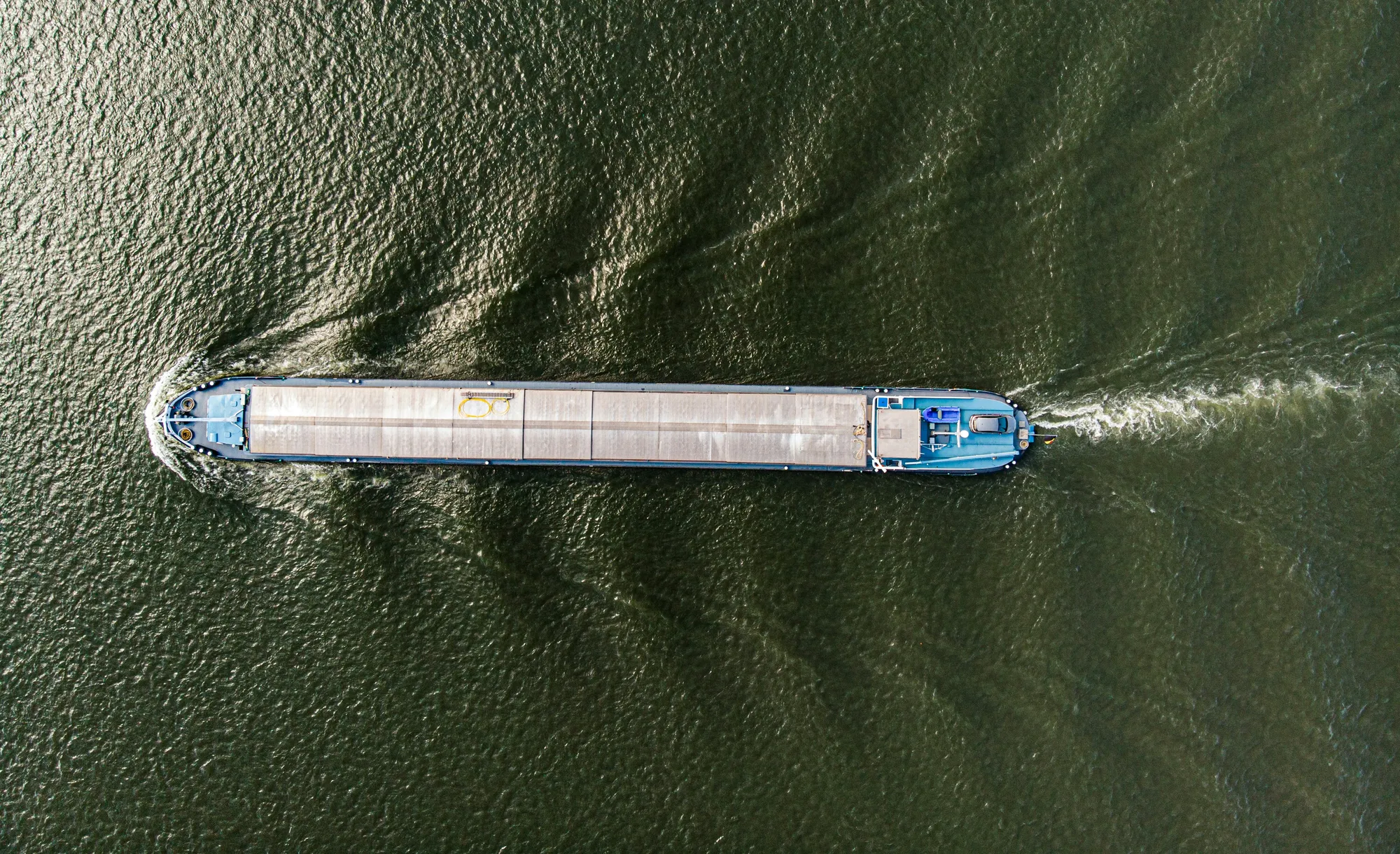
02 Aerial view of a cargo barge on an inland waterway
Climate Risk

El Niño hits shipping, copper and food at the same time

One of the strongest El Niño events in decades is beginning to disrupt several critical supply chains simultaneously. Reduced rainfall is constraining Panama Canal capacity, extreme weather is affecting Chilean copper production, and Peru ended its anchovy harvest early over concerns about fish stocks, contributing to record fishmeal prices.

In Asia, weaker rainfall is also creating concern about rice production and the possibility of renewed export restrictions. The impact is moving from local weather into transportation capacity, industrial inputs, animal feed and global food prices.

Why it mattersCompanies often diversify transportation, metals and agricultural inputs separately. El Niño shows the limitation of that approach when supposedly unrelated supply chains are exposed to the same underlying climate system. Risk analysis needs to connect water availability, canal capacity, commodity production, supplier performance and government trade restrictions across the full network.
03 Close-up of golden wheat ears in warm light
Food Supply

Black Sea disruption pushes wheat to a three-year high

Wheat prices climbed to their highest level in three years as attacks on grain vessels, terminals and storage infrastructure constrained Black Sea exports. Chicago wheat settled at $7.60¾ per bushel, approximately 30% above its late-June low and its highest close since July 2023.

Russia and Ukraine together account for approximately one-quarter of global wheat production. Alternative road, rail and river routes can move part of Ukraine's grain, but they cannot easily replace the scale and cost efficiency of Black Sea ports.

Why it mattersThe effect does not stop at wheat. Higher grain prices can increase costs for animal feed, meat, dairy and processed foods, while importers may accelerate purchases and exporting countries may restrict supply to protect domestic markets. Procurement teams need to assess not only commodity prices, but also port availability, insurance, alternative transportation capacity and supplier liquidity.
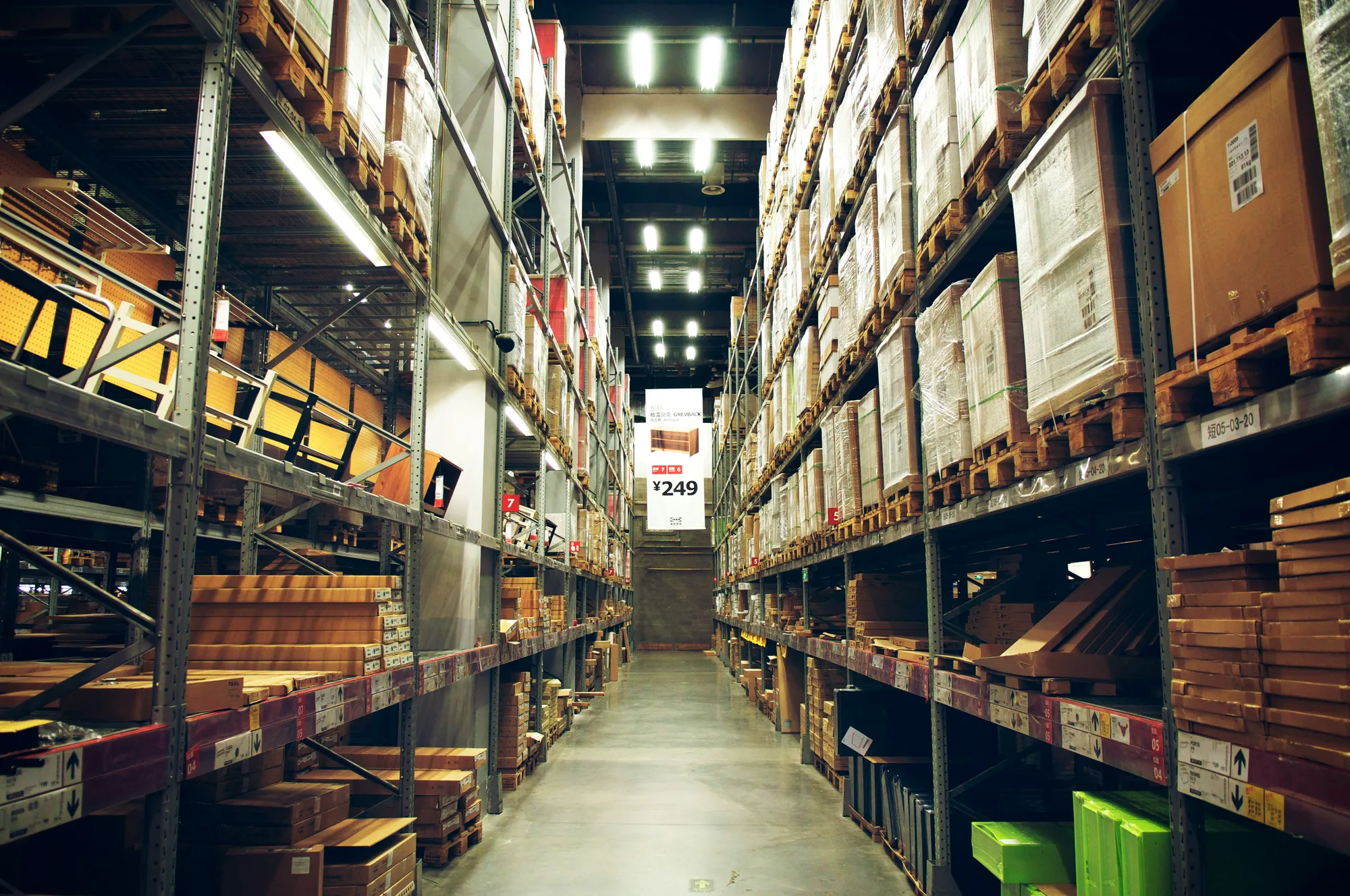
04 Retail warehouse aisle stacked with mixed products
E-Commerce

A €3 fee is redesigning Chinese e-commerce

Low-value Chinese parcel volumes entering the European Union have fallen by an estimated 30-40% since the bloc introduced a €3 charge per tariff classification on July 1. The economics are particularly difficult for platforms built around inexpensive orders containing products from several categories.

Shein has proved more resilient than Temu and AliExpress, partly because it has already expanded regional fulfillment capacity in Poland. The broader pressure is visible in Shein's Hong Kong IPO, which values the company at approximately $27 billion, around 70% below its former private-market peak.

Why it mattersThis is not simply a customs-cost story. Platforms that previously shipped individual orders directly from China will need to move more inventory into regional warehouses, consolidate international freight and predict local demand earlier. A small charge at the border is pushing cross-border marketplaces toward a fundamentally different operating model with more regional inventory, infrastructure and working-capital risk.
05 Close-up of a circuit board, a major end use for copper
Critical Minerals

Argentina and Chile plan a cross-Andes copper supply chain

Argentina and Chile are reviving a 1997 cross-border mining framework intended to let companies share infrastructure and resources across the Andes. For Argentine projects near the border, the principal opportunity is access to Chilean ports, suppliers and established mining infrastructure.

Chile's mining minister estimates that the framework could unlock more than $20.7 billion in investment and support approximately 540,000 tonnes of additional annual copper production. Projects that could benefit include Los Azules, El Pachón and Vicuña, the cross-border project owned by Lundin Mining and BHP.

Why it mattersArgentina has not produced copper since 2018, but its development pipeline could place it among the world's ten largest producers by 2030. Access to existing Chilean infrastructure could reduce capital requirements and shorten routes to market. At a time when electrification and data centers are increasing copper demand, the agreement could create a more integrated South American supply hub.
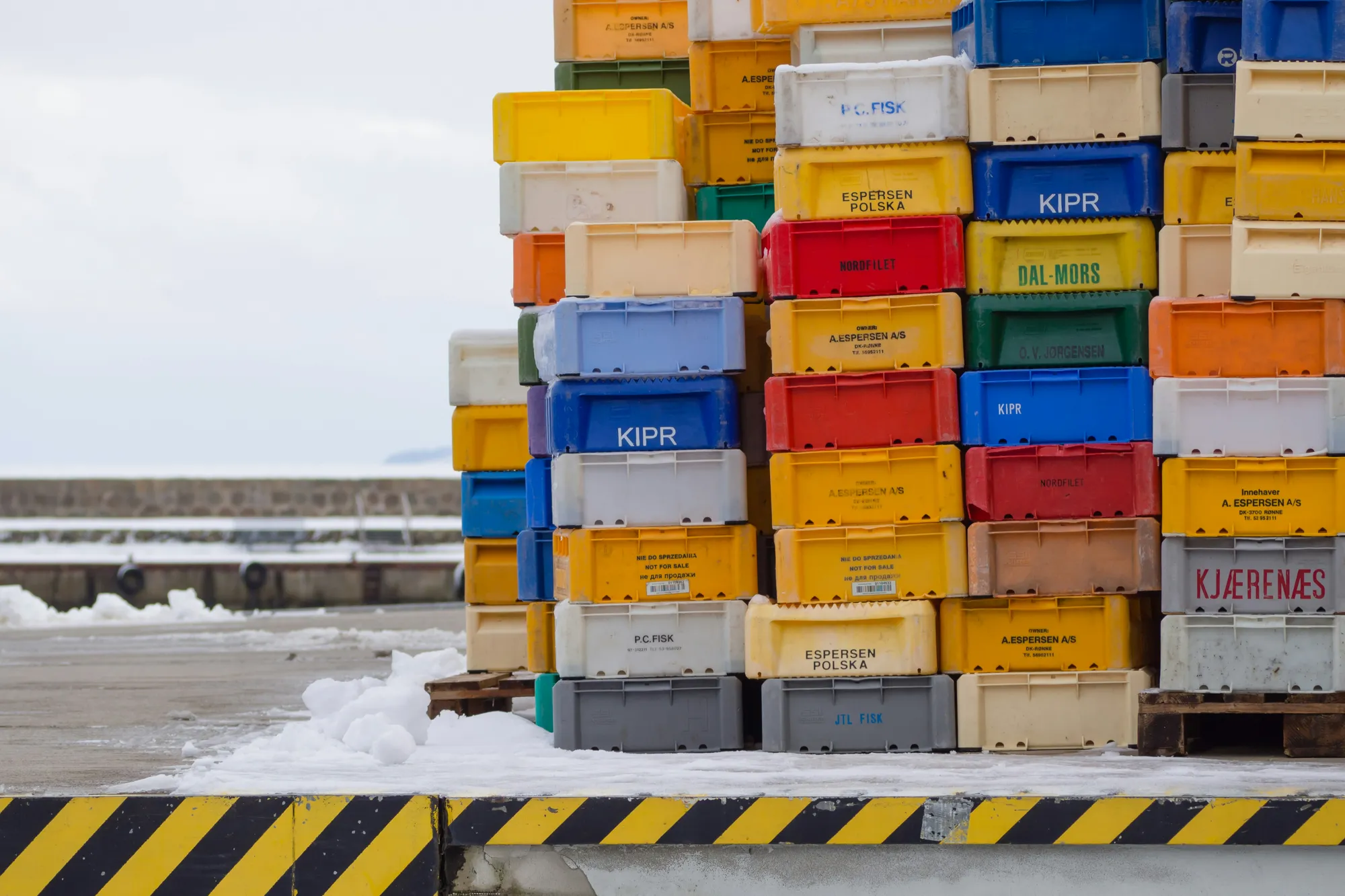
06 Crates at a protein processing dock, representing export trade
Trade Flows

China's beef quota redirects South American trade

Brazil has exhausted its preferential Chinese beef quota of approximately 1.1 million tonnes. Additional shipments now face China's regular 12% tariff plus a 55% safeguard, and Brazilian daily beef exports during the first half of August were 26% below the corresponding period last year.

At the same time, Argentina's beef exports to the United States tripled during the first seven months of 2026, making the U.S. responsible for nearly 20% of Argentine exports. Washington is considering a temporary tariff-free quota for up to 300,000 tonnes of additional imported beef, potentially creating another destination for South American supply.

Why it mattersA quota change in China is affecting trade lanes far beyond China. Brazilian exporters are developing markets including Vietnam, South Korea, Indonesia and Hong Kong, while the proposed U.S. quota could create new competition between Brazilian and Argentine suppliers. Product mix, processing capacity, cold-chain availability and regional prices will adjust together.
07 A shopper examining a product on a grocery shelf
Demand

U.S. consumers turn cautious as European business sentiment improves

The University of Michigan's U.S. consumer sentiment index fell from 55.2 in July to 51.7 in August. A separate Conference Board measure declined to 89.4, its lowest level in seven months, as consumers remained concerned about inflation, gasoline prices and future employment.

Europe presented a more positive but nuanced picture. The European Commission's Economic Sentiment Indicator increased by 1.3 points to 98.4 in the euro area. Confidence improved in industry, services and retail, while consumer confidence itself remained broadly stable.

Why it mattersMultinational companies should not apply one demand assumption across regions. Softer U.S. confidence may affect discretionary categories, promotions and private-label demand, while improving European business expectations may support production and inventory rebuilding. The signal is not that Europe is booming while the U.S. contracts, but that regional demand conditions are separating.
08 Medical and pharmaceutical products in a clinical setting
Product Safety

Multiple contamination recalls hit critical IV products

Several recalls announced this week affected intravenous products used in hospitals, dialysis and other clinical settings. Baxter recalled lots of saline and anticoagulant sodium-citrate solution because of possible fiberglass contamination, as well as concentrated dextrose solution because of potential stainless-steel particles.

Separately, B. Braun recalled saline after particulate matter was identified as iron oxide. There is no evidence that the incidents are connected or that the manufacturers share a common source of contamination.

Why it mattersIV solutions require consistent supply, exact specifications and rapid traceability. Even a limited recall can require hospitals and distributors to identify affected lots, isolate inventory, find substitutes and allocate remaining supply without interrupting patient care. A recall is not only a quality event. It is a test of whether the supply chain can find every affected unit and respond quickly enough.
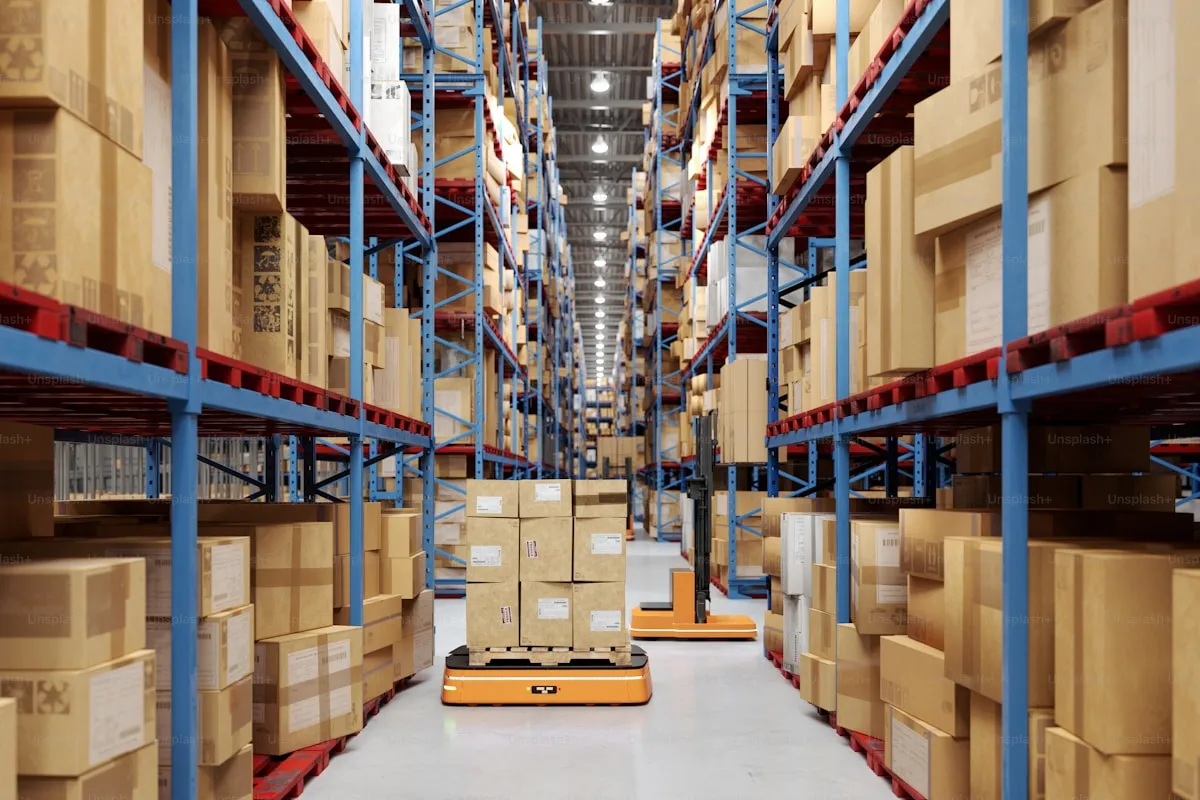
09 Automated systems inside a modern warehouse
Warehouse Automation

Amazon targets one of the last hard problems in automation

Amazon is reportedly developing a new generation of highly automated delivery stations under an internal initiative known as Project Tetromino. The system would target activities including package sorting and vehicle loading, work that remains difficult to automate because parcel dimensions, arrival patterns and delivery routes constantly change.

Internal plans reportedly estimate that the proposed system could process packages at 2.5 times the efficiency of current delivery stations. Amazon is considering a $103 million initial pilot, with possible expansion to 15 sites and investment exceeding $530 million by 2029, although the company describes the project as an early-stage concept.

Why it mattersThe next gains in warehouse automation will not come only from adding more fixed robots to standardized workstations. They will require systems capable of interpreting changing conditions, handling irregular objects and coordinating dynamically with people, vehicles and downstream schedules. Tetromino targets exactly that boundary.
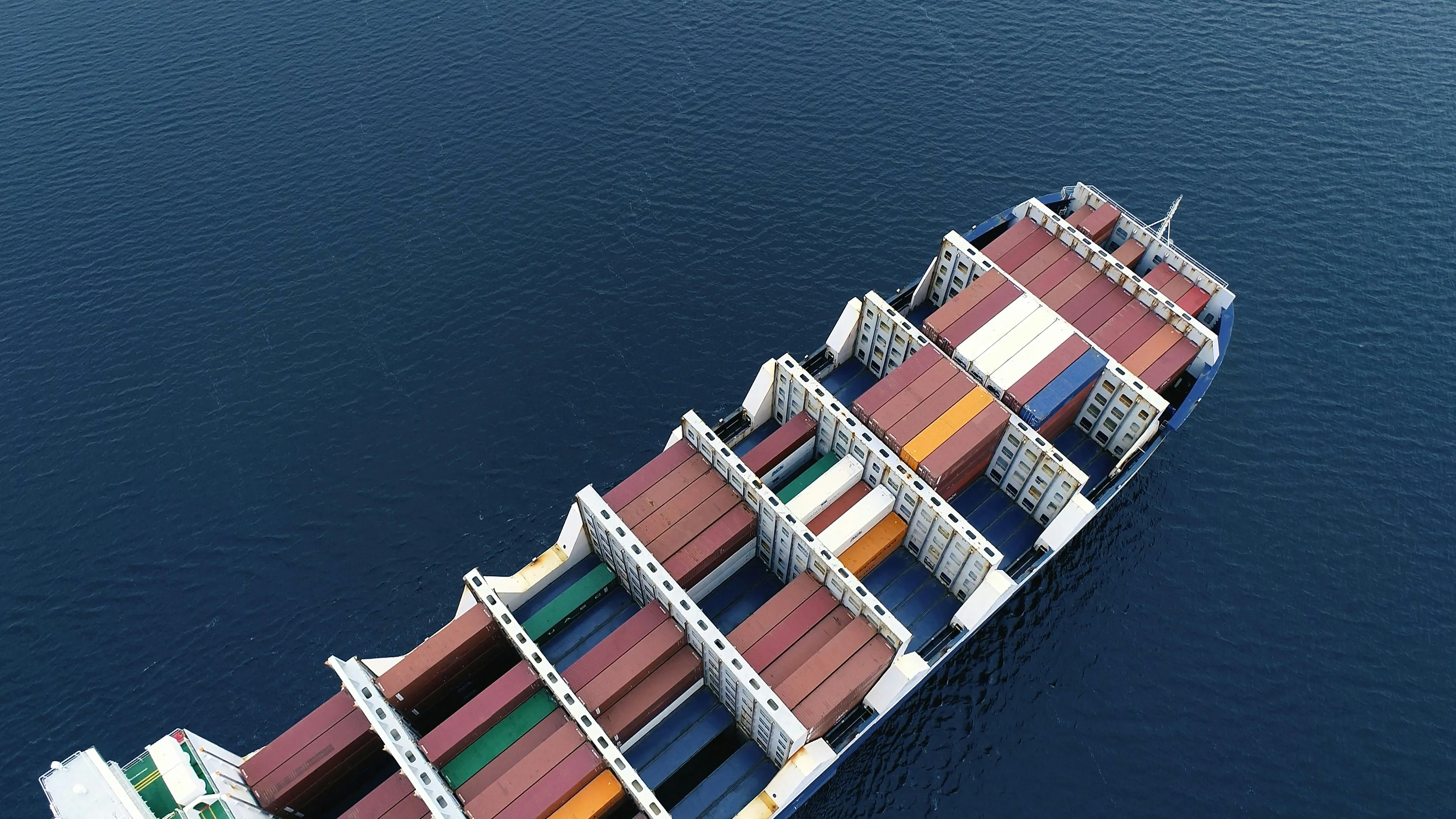
10 Aerial view of a container ship at sea
Ocean Freight

The containership orderbook exceeds 40% of the existing fleet

The global containership orderbook has reached 1,724 vessels with combined capacity of approximately 13.97 million TEU. With the existing fleet at around 34.16 million TEU, capacity now on order is equivalent to more than 40% of the fleet already in service, the highest ratio since 2009.

Nearly one million TEU was added to the orderbook in just over two months. Immediate vessel availability nevertheless remains tight, with only around 0.9% of the existing fleet idle as diversions, longer voyages and congestion continue to absorb capacity.

Why it mattersDeliveries will be spread across several years, and older ships will be retired, but the pipeline creates a substantial medium-term risk. If major shipping routes normalize while new vessels continue entering service, today's capacity shortage could become tomorrow's oversupply. That would place pressure on freight rates, charter earnings and the competitiveness of older vessels.
Aerial view of a massive container terminal
The bigger picture

What connects these stories?

There is no single theme that neatly connects Hormuz, El Niño, Chinese e-commerce, South American beef, medical recalls, warehouse automation and the containership orderbook. But together they show how quickly the assumptions underneath supply-chain plans are changing.

A route can partially recover while remaining structurally unsafe. A small customs fee can alter an international fulfillment model. Weather can disrupt canals, mines and food production simultaneously. Demand can weaken in one major market while business expectations improve in another. New vessels ordered to solve one capacity problem can create the next imbalance.

Historically, companies responded to these changes through periodic planning exercises: sourcing reviewed, networks redesigned, inventory recalculated and operations executed against the new plan. That approach becomes harder to maintain when the assumptions behind the plan change before the planning cycle is complete.

The companies that manage this well will not be those that predict every disruption. They will be those that recognize change quickly, understand how it moves across the network, and adjust sourcing, inventory, production, transportation and fulfillment before the impact reaches the customer.

That is probably the bigger story behind this week's headlines.

📡

This Week in Supply Chain is our weekly look at 10 developments we believe matter for supply chain and operations leaders. We look beyond the headline and ask a simple question: what does this actually mean for how companies design and run their supply chains?

← Back to Resources
Turn This Week's Signals
Into Faster Decisions.
Deploy in 2-4 weeks. No systems replaced.
Get My Free Readiness Audit →